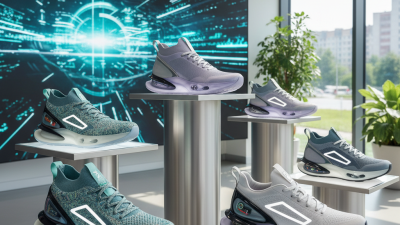
Top Tips for Choosing the Best Running Trainers for You?
Choosing the right running trainers can be a daunting task. With so many options available, finding the perfect pair may feel overwhelming. However, making the right choice is crucial for comfort, performance, and injury prevention. The ideal running trainers cater to your unique foot shape, running style, and personal preferences.
When selecting running trainers, consider factors such as cushioning, support, and fit. Each runner has different needs, and a shoe that works for one person may not be suitable for another. Specialized stores can provide expert advice, but personal research is also important. Trying on trainers or testing them on a treadmill can reveal much about their feel and fit.
Remember, even small details can have a big impact. The right trainers can enhance your running experience, while the wrong ones can lead to discomfort. A reflective approach to your choices can lead to better outcomes. Think about your running habits and goals. Ultimately, the best running trainers are those that empower you to move with confidence and enjoy every stride.
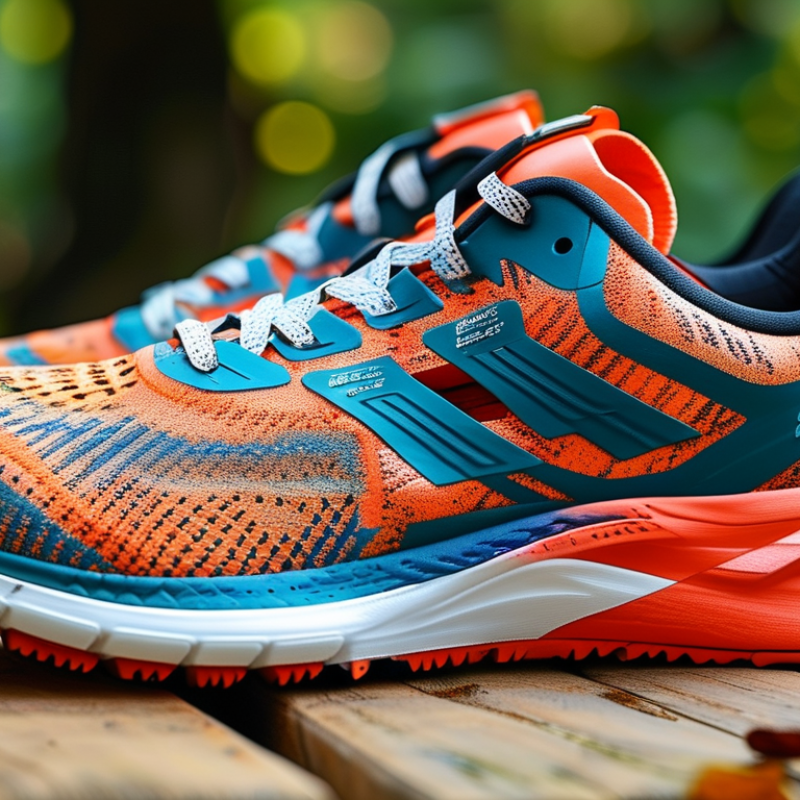
Understanding Your Foot Type and Biomechanics for Optimal Fit
Choosing the right running trainers goes beyond mere aesthetics. Understanding your foot type is crucial for a perfect fit. Flat arches require different support compared to high arches. Some people suffer from overpronation, while others may underpronate. Knowing where you stand can guide your choice effectively.
Biomechanics also play a vital role in selecting trainers. Pay attention to how your foot strikes the ground. Heel striking runners might prefer extra cushioning. Forefoot strikers may benefit from minimalistic designs. It's interesting to note that many runners overlook their gait patterns, leading to discomfort or even injuries. A well-fitted shoe can enhance your performance significantly.
Visiting a specialty running store can provide insights into your needs. They often have tools to analyze your gait and arches. However, remember that not every opinion or analysis is perfect; trust your own experiences too. Keep a journal of your runs and how your shoes feel. This reflection can lead to informed decisions tailored for you.
Evaluating Cushioning Levels Based on Running Surface and Distance
When selecting running trainers, cushioning is crucial. Different surfaces require different levels of support. For instance, asphalt or concrete can be harsh on your joints. Running on these surfaces demands well-cushioned shoes to absorb impact. A medium to high cushion level is often recommended. This helps prevent injuries during longer runs.
Distance also plays a vital role in your choice. Short sprints might not require as much cushioning. However, longer distances necessitate shoes that provide adequate shock absorption. Think about how your feet feel after a run. If they ache, it might be time to reconsider your footwear.
Trial and error can teach you which level of cushioning suits you best. Some might prefer a firmer feel for better ground feedback. Others may enjoy the plush support that softer cushioning offers. Don’t hesitate to test different options. Familiarize yourself with various trainers to find your ideal match. Your comfort can change over time, reflecting your running habits and surfaces.
The Importance of Shoe Fit and Size Adjustment in Performance
When selecting running trainers, shoe fit and size adjustment are crucial for optimal performance. According to a report from the American College of Sports Medicine, poorly fitting shoes can lead to injuries such as blisters and plantar fasciitis, which affect 10% of runners. A proper fit helps in maintaining balance and improving gait efficiency.
Many runners overlook the importance of having the right size. A study by the Journal of Orthopaedic & Sports Physical Therapy suggests that 70% of runners wear shoes that are too small. This not only causes discomfort but can also hinder training effectiveness. Understanding your foot shape and considering adjustments for width can greatly impact your running experience.
It's essential to reassess your shoe size regularly. Feet can change over time, especially after training regimens. The National Shoe Fit Institute states that at least 50% of runners should reconsider their shoe size every year. Investing time in finding the right fit could prevent injuries, enhance comfort, and ultimately boost performance.
Analyzing the Role of Material and Design in Shoe Durability
Choosing the right running trainers involves a close look at material and design. The materials used in shoes impact durability significantly. For instance, synthetic materials can offer lightweight performance, while natural materials provide breathability. Both options have pros and cons. Consider how these materials fit your running style and the environments you run in.
When evaluating design, focus on factors like cushioning and tread patterns. A well-cushioned shoe can absorb impact, reducing injury risk. Tread patterns affect traction and grip on varied surfaces. However, a shoe with excessive cushioning might not provide enough ground feel for some runners. Personal preferences and running goals should guide your choice.
Tip: Test the trainers when buying. Walk and jog in-store to gauge comfort. Another tip: pay attention to your running surfaces. Different terrains require different sole designs. Reflect on how your trainers perform over time. Assess the wear on the sole and upper. If they wear out too quickly, reassess your choice.
Selecting the Right Traction for Different Running Environments and Conditions
Choosing the right traction for running trainers is crucial for performance and safety. Different terrains require different shoe features. For instance, road runners benefit from shoes with smooth outsoles. These enhance speed on paved surfaces. In contrast, trail runners need aggressive lugs. These provide grip on uneven paths and help tackle mud and rocks.
A study by the American Journal of Sports Medicine highlights that approximately 50% of runners experience injuries each year. Many of these injuries stem from improper footwear. Selecting shoes with the right traction can mitigate this risk. When running on wet or slippery surfaces, increased traction can prevent falls. A shoe with deep treads will offer better stability, especially on steep inclines.
Consider also the weather conditions. Wet conditions require shoes with hydroplaning-resistant features. On icy terrain, footwear with specialized spikes can significantly improve grip. Depending on your local climate, investing in season-specific footwear may be necessary. However, too much focus on one feature can lead to poor choices in other areas, like cushioning or stability. It's essential to find a balanced shoe that caters to your specific running environment.